Periodontal Treatment for Busy Adults: Time-Saving Care Options
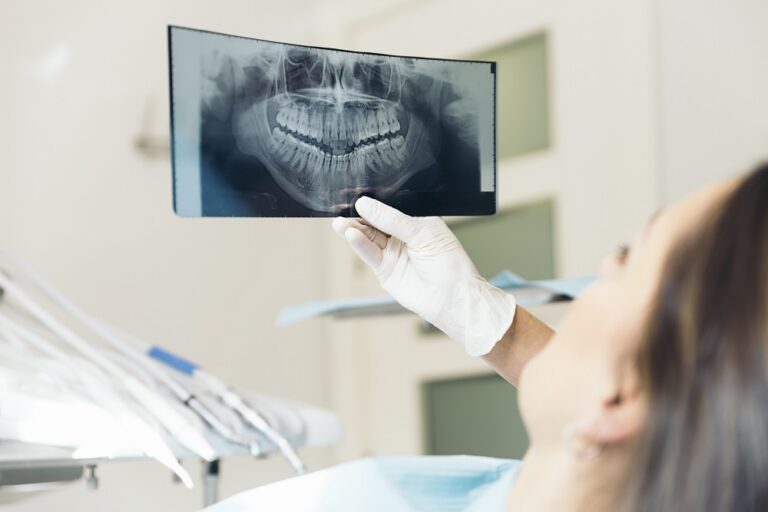

For many adults, gum disease does not arrive with drama. It creeps in quietly between work deadlines, school drop-offs, business trips, and the vague promise that next month will be less hectic. A little bleeding when brushing. Persistent bad breath that seems easy to blame on coffee. Tenderness that comes and goes. By the time a busy patient finally schedules an appointment, the problem has often moved beyond simple gingivitis into a stage that needs real periodontal treatment.
That timing matters. Gum disease rarely pauses because a calendar is full. Left untreated, it can lead to deeper pockets around the teeth, gum recession, bone loss, loose teeth, and expensive restorative work later. The good news is that modern periodontal care is far more flexible than many adults expect. It is possible to treat gum disease efficiently, in stages that fit around work and family life, without turning your schedule upside down.
The key is not finding a magic shortcut. It is finding the right diagnosis, the right sequencing, and the right level of treatment for your actual condition. In practice, the fastest route is often the one that is thorough from the start.
Why busy adults often delay care
Most adults who postpone gum treatment are not careless. They are triaging. If a tooth is not broken and the pain is not severe, periodontal issues tend to fall behind more urgent demands. There is also a persistent misconception that gum disease treatment always means surgery, multiple long appointments, or weeks of recovery. That belief keeps people stuck longer than the disease itself would.
In a clinical setting, I have seen the same pattern repeatedly. An executive who can schedule a two-day conference six months out cannot seem to reserve ninety minutes for an exam. A parent who remembers every pediatric checkup has not had a periodontal probing chart in three years. A contractor who will not miss a day on site ignores bleeding gums because “they don’t really hurt.” The common thread is not neglect. It is the assumption that treatment will be time-heavy and disruptive.
Sometimes that assumption is wrong. Sometimes it is partly true, but manageable with good planning. Either way, clarity helps. Once patients understand what modern periodontal treatment can look like, they are much more willing to start.
The first time-saver is an accurate diagnosis
Nothing wastes time like treating the wrong problem or underestimating the right one. A proper periodontal evaluation is not just a cleaning with a quick glance at the gums. It usually includes pocket measurements around each tooth, an assessment of bleeding points, gum recession, mobility, plaque and calculus accumulation, and radiographs when indicated to check https://waylonmudp474.valiantfield.com/posts/how-periodontal-treatment-supports-overall-wellness bone support.
This first visit can feel detailed, but it saves time later because it separates patients into very different treatment pathways. Someone with mild inflammation caused mainly by plaque buildup may need improved hygiene support and a professional cleaning. Someone with periodontitis, where infection has affected the supporting tissues and bone, may need scaling and root planing, more frequent maintenance, and possibly surgical care if deep pockets remain.
Busy adults often want the shortest appointment possible, yet this is the visit where rushing causes the most trouble. A superficial approach may temporarily polish the teeth while leaving active disease untouched. Then the patient returns months later with the same problem, more frustration, and less time than before.
A good diagnosis also helps with scheduling. If the clinician can map the severity of disease by area, treatment may be split strategically, combined into longer but fewer visits, or paired with sedation for patients who want everything done more efficiently.
What efficient periodontal treatment really looks like
Time-saving care is not about skipping steps. It is about eliminating unnecessary ones. In practical terms, that often means consolidating appointments, using technology wisely, and tailoring treatment intensity to the disease level.
For many working adults, the most efficient model is phased care. The urgent inflammatory burden is reduced first, healing is assessed, and only then is any advanced therapy considered. This avoids overtreatment in cases where non-surgical therapy works well, and it avoids drift in cases where surgery is clearly needed.
Non-surgical periodontal treatment remains the backbone of care for many adults. Scaling and root planing, often called deep cleaning, is designed to remove calculus and bacterial deposits from below the gumline and smooth the root surfaces so the tissues can heal more effectively. Depending on the number of areas involved and the patient’s tolerance, this can often be completed in one extended visit or two shorter visits.
That choice matters to busy patients. Some prefer full-mouth treatment in a single block of time, especially if they travel often or have limited childcare. Others do better with two visits, one for each side of the mouth, which can make eating afterward easier and reduce fatigue. Neither approach is universally better. The right answer depends on disease extent, pain threshold, anesthesia needs, and scheduling reality.
Single-visit versus split-visit care
There is a practical appeal to getting everything done at once. One arrival, one round of local anesthesia, one recovery period, one set of logistics. For a patient with generalized moderate periodontal involvement, a longer single visit can be the cleanest option. It also limits the chance that one treated side improves while the untreated side continues to harbor heavy bacterial deposits.
Still, single-visit treatment is not automatically the most efficient. If a patient becomes tense after ninety minutes, stops opening comfortably, or has significant sensitivity, the quality of treatment can suffer. Clinicians know that fatigue affects everyone in the room. A rushed final quadrant is not a bargain.
Split-visit care works well when there are practical constraints. A patient may need to return to meetings the same afternoon and would rather chew on one side for a day or two than deal with full-mouth numbness. Another may have a physically demanding job and prefer staged appointments to avoid feeling wiped out afterward. In these cases, dividing treatment can preserve both comfort and clinical precision.
The real time-saver is choosing the format that the patient will actually complete. A theoretically perfect appointment plan has no value if it keeps getting postponed.
Technologies that can shorten treatment time
Some practices now use tools that improve efficiency, though they are not mandatory for good care. Ultrasonic instruments, for example, can often remove deposits quickly and effectively while reducing hand fatigue for the provider and, in many cases, chair time for the patient. Local antimicrobial therapy may be useful in selective sites after mechanical cleaning, though it is not a substitute for proper debridement.
Digital radiography can speed diagnosis and treatment planning because images are available immediately and can be reviewed chairside. Intraoral cameras also save time in a different way. When patients can see the inflamed tissue, calculus ledges, or recession on a screen, they understand the problem faster and ask better questions. Better understanding usually leads to fewer delays.
Lasers are often marketed aggressively in periodontal care, and this is where judgment matters. In the right hands and for the right indications, laser-assisted procedures may support certain aspects of treatment. But they are not a universal shortcut, and they do not erase the need for conventional diagnosis and cleaning. Patients pressed for time should be cautious about any sales pitch that makes periodontal treatment sound effortless or one-size-fits-all.
The most common time-saving options worth discussing
If your schedule is tight, ask the dental team whether your care can be structured in one of these ways:
- A comprehensive periodontal exam paired with same-day treatment planning, so decisions are made while the findings are fresh.
- Longer combined appointments instead of multiple short visits, when clinically appropriate.
- Early morning, lunch-hour, or late-day scheduling reserved for maintenance and follow-up care.
- Localized treatment focused first on the most active or deepest areas when full treatment cannot happen immediately.
- Sedation or anxiety-control options for patients who lose time to stress, gagging, or treatment avoidance.
That conversation is more productive when patients are honest about constraints. If you travel every other week, say so. If you cannot be numb while doing phone-based work, mention it. If Fridays are your only realistic recovery window, that matters. Efficient treatment planning is part medicine, part logistics.
When non-surgical therapy is enough, and when it is not
Many adults hope that one deep cleaning will settle everything. Sometimes it does, especially when disease is caught early and home care improves significantly afterward. Gums can tighten, bleeding can decrease, and pocket depths can reduce enough that ongoing maintenance becomes the primary strategy.
But not every case responds that neatly. Deep pockets around molars, furcation involvement between roots, irregular bone defects, or persistent inflammation after initial therapy may still require surgical periodontal treatment. This is where busy adults can become discouraged. They thought they had already handled the issue.
In reality, the initial phase was not wasted. It reduced bacterial load, clarified which sites could heal, and made any next step more targeted. Good periodontal surgeons do not recommend surgery simply because a patient has periodontitis. They recommend it when the anatomy or disease persistence suggests that non-surgical care alone is unlikely to create a stable result.
Surgery itself has also become more efficient in many settings. Procedures can often be localized to the areas that truly need access. Techniques vary, but the goal is generally the same: reduce pocket depth, improve access for cleaning, and preserve the supporting structures as much as possible. For a busy patient, one carefully planned surgical visit to save a strategic tooth may be far more efficient than years of patchwork maintenance on an area that keeps flaring up.
Maintenance is where time is either saved or lost
This is the part many adults underestimate. Successful periodontal treatment is not finished when the deep cleaning or surgery is done. It is stabilized through maintenance.
Patients with a history of periodontitis are often placed on periodontal maintenance at intervals shorter than the standard six-month recall, commonly every three or four months depending on risk and disease control. That can sound like more time, but it usually prevents larger disruptions later. A maintenance visit every few months is far less costly in time than retreatment, emergency swelling, or tooth loss management.
These visits are also usually more efficient than patients expect. Once inflammation is controlled and the home routine is solid, maintenance appointments are typically straightforward. The hygienist or dentist monitors pocketing, bleeding, plaque retention, recession, and any areas that are starting to relapse. Small problems are managed early. That is where real time savings happen, in quiet prevention rather than dramatic repair.
Adults who stay consistent with maintenance also tend to need less anesthesia, shorter visits, and fewer unpleasant surprises on radiographs. The pattern is familiar: regular short appointments preserve stability, while skipped visits create a cycle of catch-up care.
Home care that saves chair time
No dentist or hygienist can outwork poor daily habits forever. The patients who get the most efficient long-term results from periodontal treatment are not necessarily those who buy the fanciest gadgets. They are the ones who use a simple routine consistently.
For someone with gum disease or a history of treatment, brushing twice daily matters, but technique matters more than force. Aggressive scrubbing can contribute to recession without improving plaque control. Interdental cleaning is non-negotiable because toothbrush bristles do not effectively clean between teeth. Depending on spacing and dexterity, that may mean floss, interdental brushes, or water flossing as an adjunct. Antimicrobial rinses may help in select situations, though they do not replace mechanical cleaning.
A patient once told me he did not have time to floss because his mornings were too chaotic. We moved the habit to his evening television routine and switched him from string floss to interdental brushes for the back teeth, where he struggled most. At his next maintenance visit, bleeding points had dropped sharply. He had not found more time. He had simply removed friction from the task.
That is the right mindset. Periodontal stability is less about heroic effort and more about reliable systems.
Trade-offs busy adults should understand before choosing the fastest option
The quickest-looking plan is not always the most durable one. This is especially true when patients push for cosmetic work before gum health is stable. Whitening, veneers, or aligner therapy may be appealing, but inflamed or unstable gums complicate everything. Restorative dentistry lasts longer and looks better when the periodontal foundation is healthy.
There are also financial trade-offs. Consolidated appointments can reduce missed work hours, but they may involve larger same-day treatment fees. Sedation can make an extended visit more tolerable, yet it adds cost and requires transportation planning. A surgical correction may seem like more upfront treatment than you wanted, but if it prevents repeated breakdown in the same area, it may save both time and money over several years.
Another edge case involves medically complex patients. Adults with diabetes, smoking history, dry mouth from medications, immune suppression, or heavy clenching habits may heal more slowly or relapse more easily. For them, the most efficient care may actually involve more frequent monitoring because the margin for error is smaller.
How to prepare for treatment so the visit works the first time
A little preparation can make periodontal appointments smoother and shorten recovery. Confirm medications in advance, especially blood thinners or drugs that affect bleeding and healing. Eat appropriately before treatment if local anesthesia is planned and your dentist has not instructed otherwise. Clear your schedule enough that you are not trying to sprint back into something demanding while numb and stressed. If you grind your teeth, mention it, because mobility and soreness are sometimes influenced by bite forces as much as inflammation.
It also helps to ask focused questions before the day of care. Patients who understand what areas are being treated, how long numbness may last, and what discomfort is typical tend to move through treatment with less anxiety. Anxiety is one of the biggest hidden time thieves in dentistry. It causes cancellations, fragmented appointments, and avoidance that turns manageable disease into advanced disease.
Questions worth asking your dentist or periodontist
Use your consultation to get practical answers, not just diagnostic labels. A few good questions can reveal whether the treatment plan fits your life as well as your mouth.
- Can my periodontal treatment be completed in one visit, or is it clinically better to divide it?
- Which areas are most urgent if I cannot do everything at once?
- What kind of downtime or soreness should I realistically expect after each phase?
- How often will I need maintenance once active treatment is finished?
- Are there home-care changes that could reduce the amount of professional treatment I need later?
Those questions shift the conversation from abstract worry to real planning. Good clinicians welcome them.
The adult advantage: discipline and follow-through
Busy adults often feel at a disadvantage when they need dental care, but they also bring strengths that younger patients may not. They understand schedules, systems, and accountability. Once they accept that periodontal disease is a chronic condition that needs active management, they are often very good at following a maintenance plan.
That matters because gum health is not built in dramatic moments. It is built in repeated, low-friction actions: keeping recall visits, using the right cleaning tools, noticing early warning signs, and addressing relapse before it becomes a major event. In that sense, effective periodontal treatment is well suited to people who appreciate efficiency. It rewards consistency more than intensity.
If your gums bleed regularly, feel tender, or seem to be pulling away from the teeth, the smartest time-saving move is simple: get evaluated before the problem grows teeth, figuratively and literally. The earlier the disease is identified, the more flexible the treatment options tend to be. And when care is planned around both clinical reality and everyday life, even a full schedule does not have to stand in the way of a stable, healthy mouth.
Avra Dental
Address: 1708 S Victoria Ave B, Ventura, CA 93003
Phone number: (805) 941-1001
FAQ About Periodontal Treatment
Can a dentist get rid of periodontal disease?
A dentist or gum specialist (periodontist) cannot fully cure or reverse advanced periodontal disease (periodontitis), but they can successfully stop its progression and manage the infection.
Is periodontitis very serious?
Yes, periodontitis is a very serious, advanced form of gum disease that destroys the bone and tissues supporting your teeth.
How is stage 2 periodontal disease treated?
Stage 2 periodontal disease (early to moderate periodontitis) is primarily treated with non-surgical deep cleaning procedures like scaling and root planing to remove bacteria and tartar below the gumline.